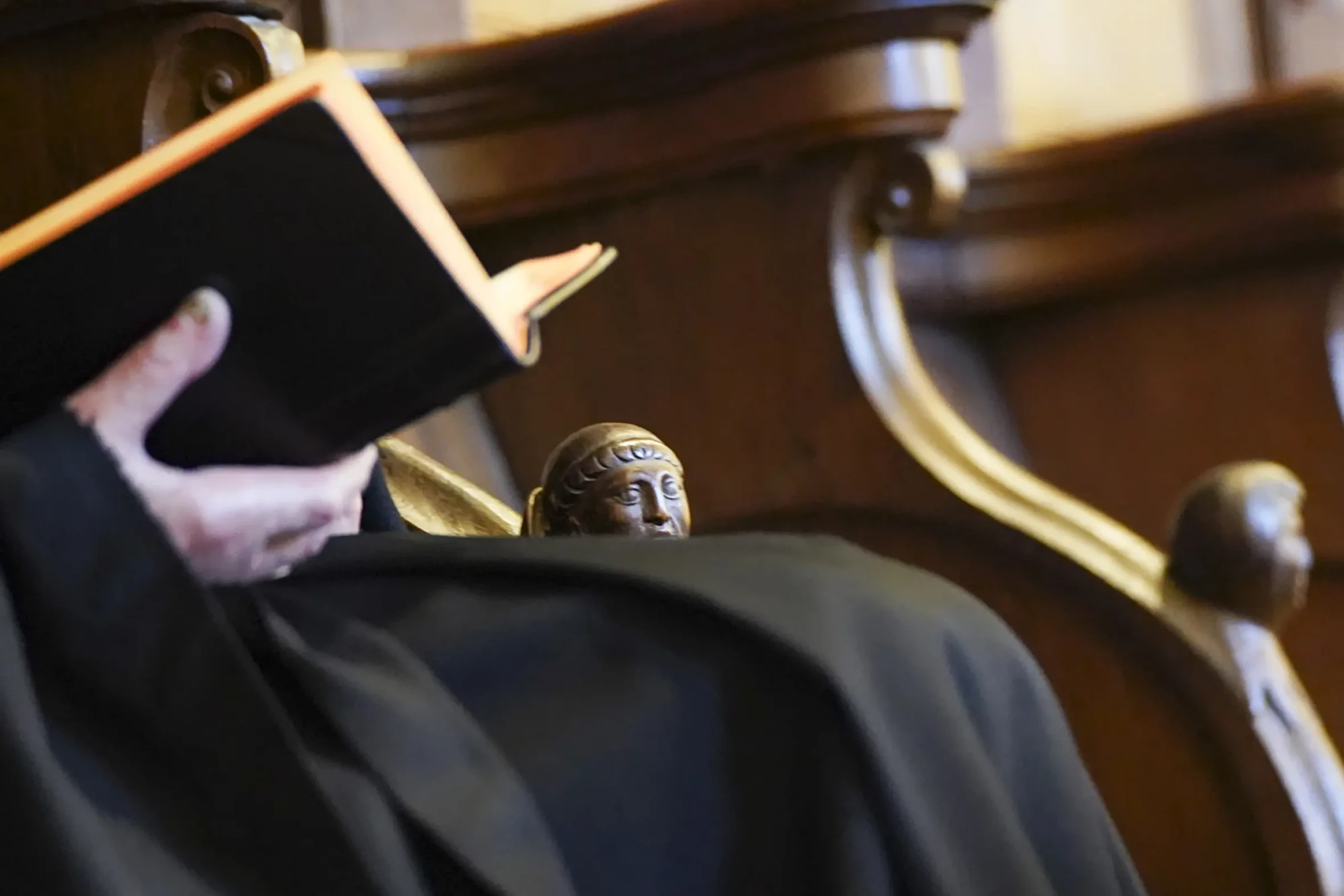
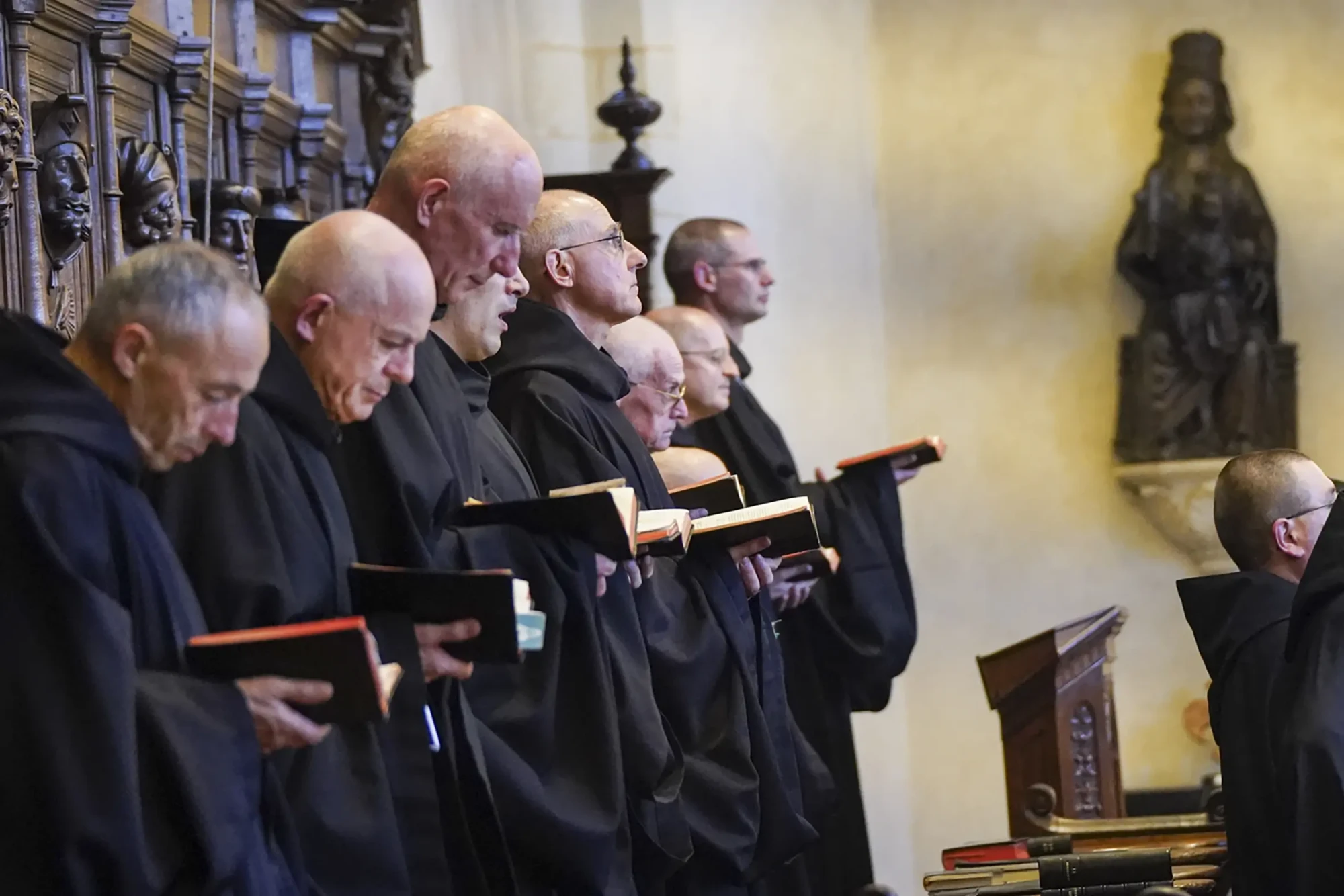
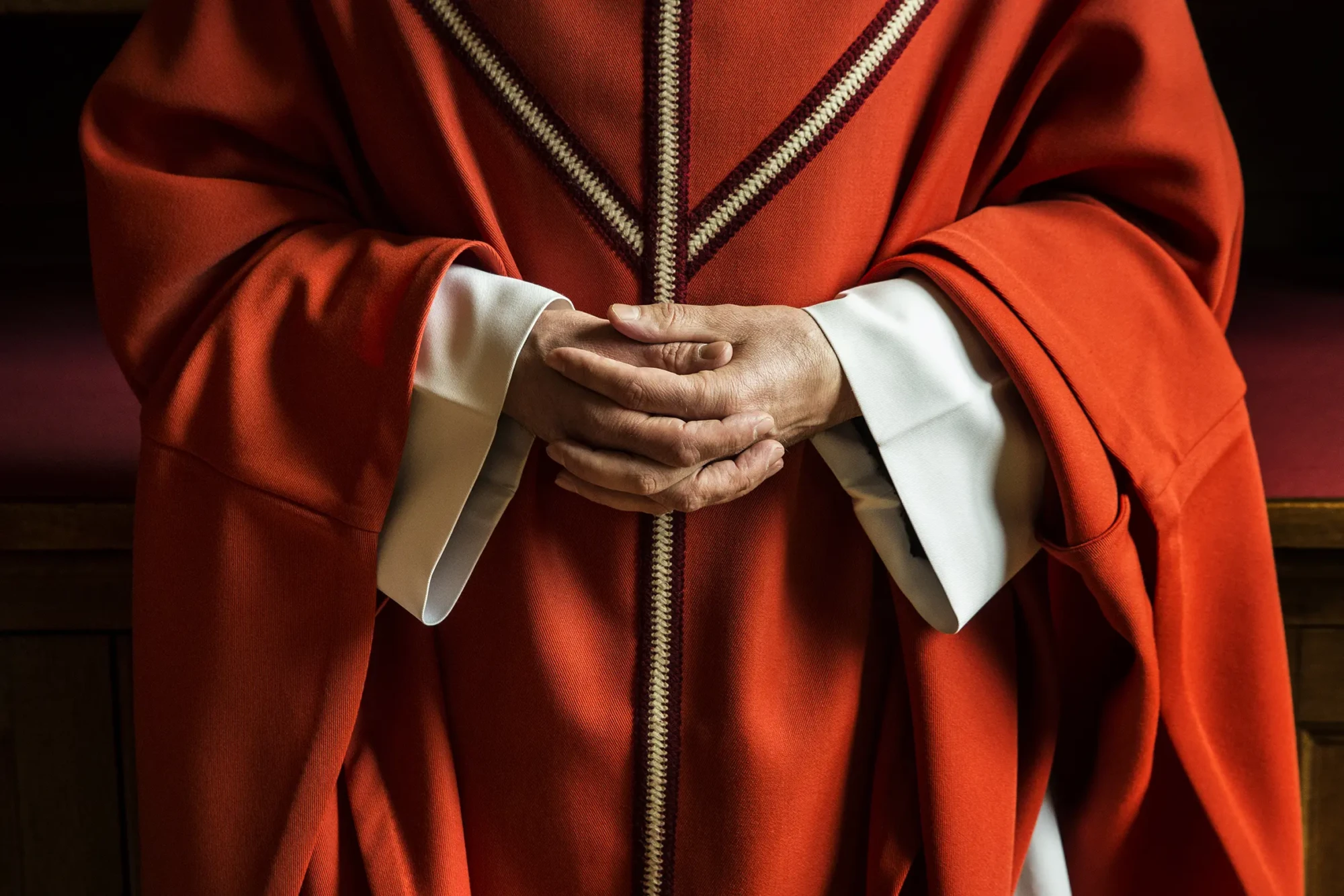
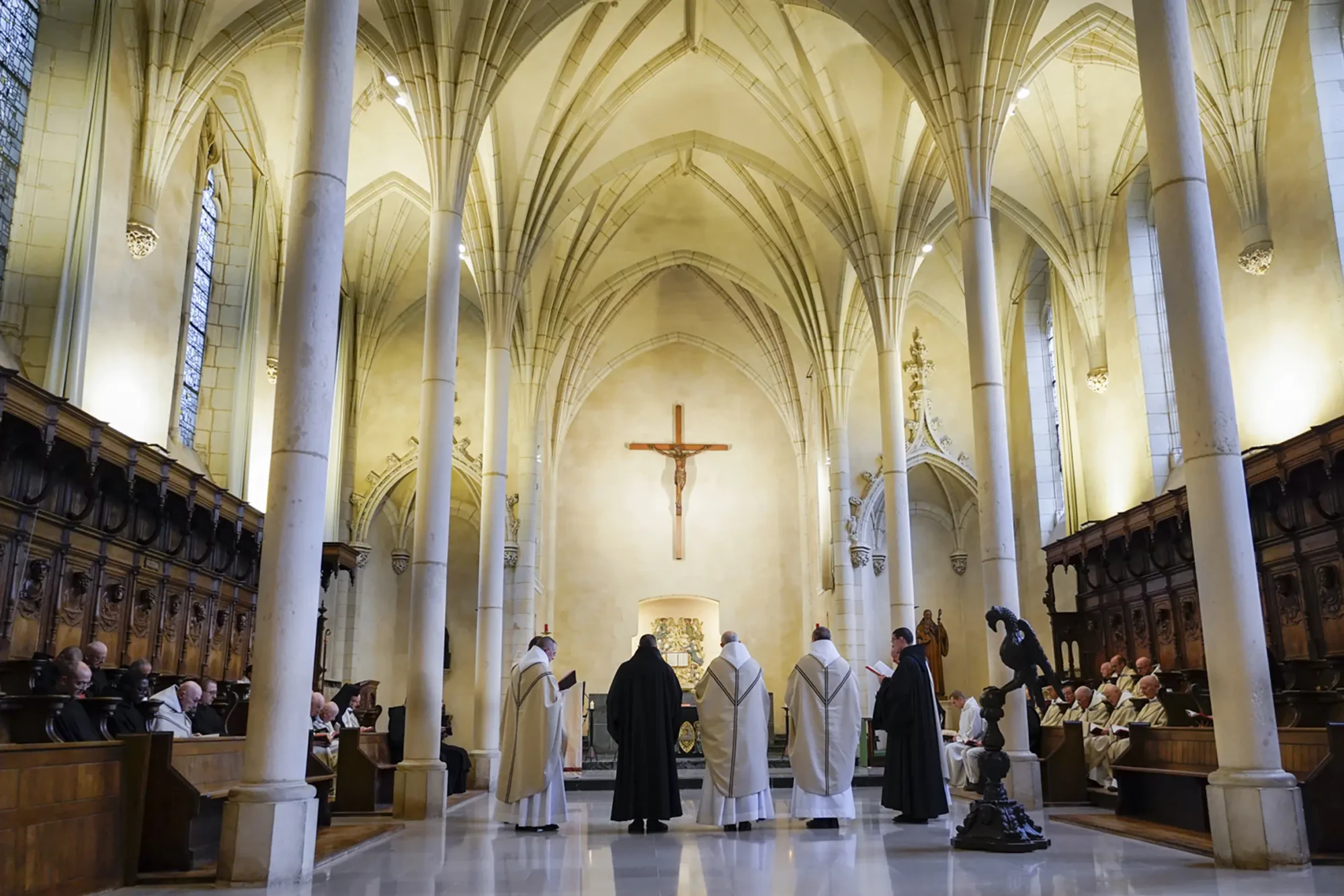
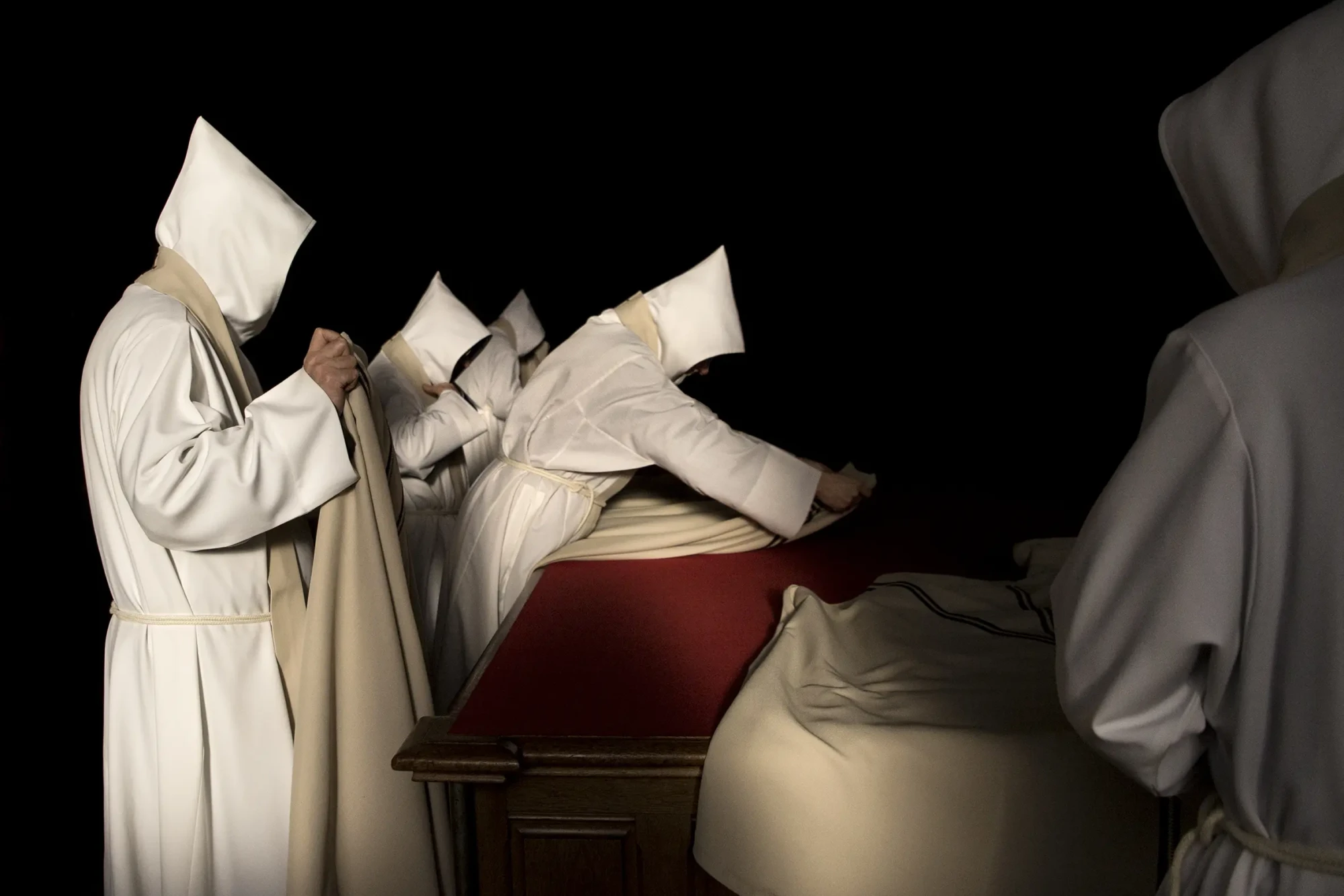
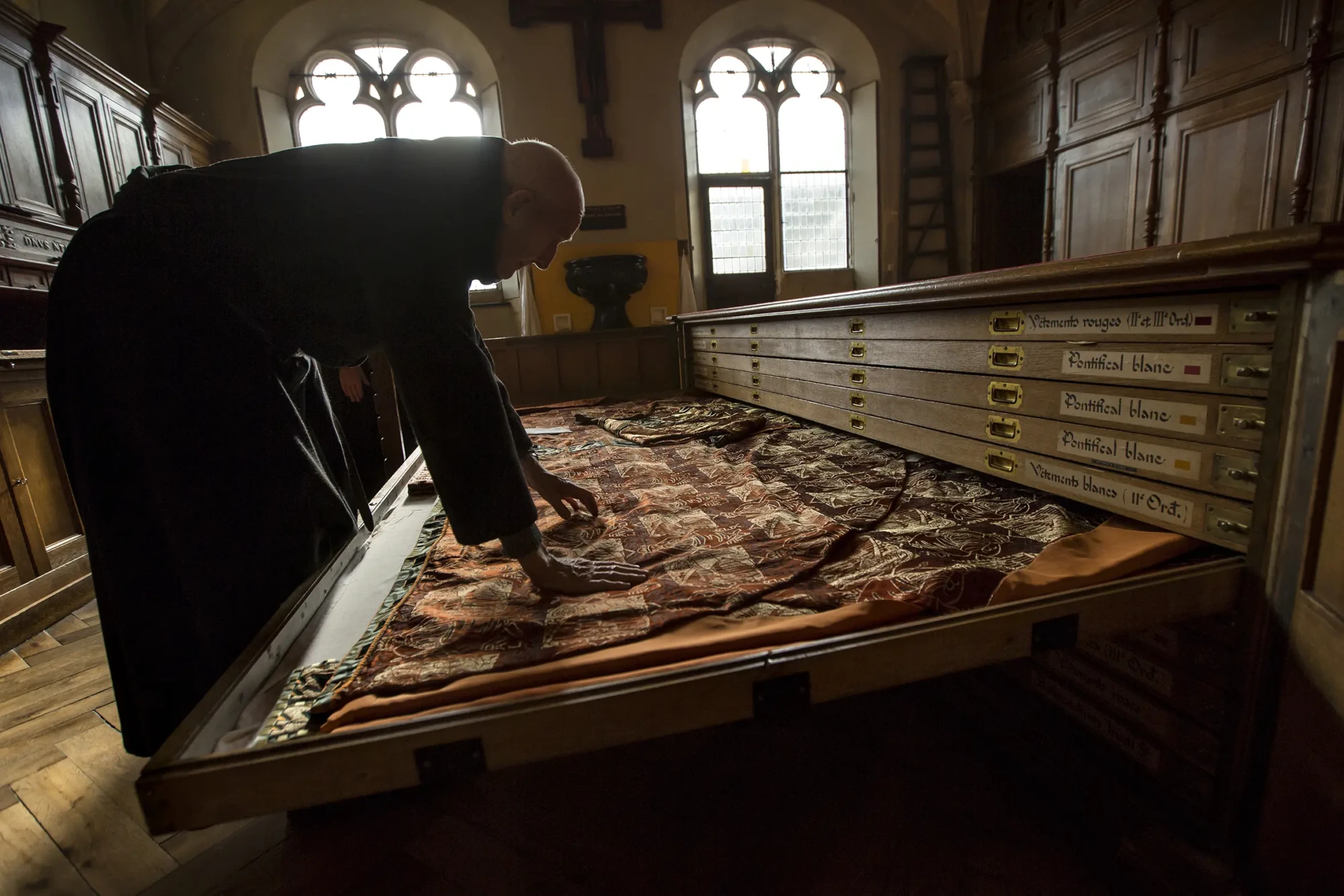
St Benedict is quite right to call the liturgy opus Dei — the work of God — for God is both its subject and its object. The Rule of Saint Benedict attaches great importance to it: no fewer than fifteen chapters are devoted to it. Above all, Saint Benedict requires the monk to ‘prefer nothing to the work of God’ (ch. 43). Through the daily celebration of Mass and the Divine Office, we praise God for the gift of life, and for the even more marvellous gift of his friendship, he who wished to make all people his children. By devoting our utmost care to our celebrations, we enter into the dynamism of Creation, which gives glory to God through the beauty it has received from God himself. It is in the liturgy that the deep attention to the beauty of all things, which also characterises our monastic life, is rooted.

The Eucharist
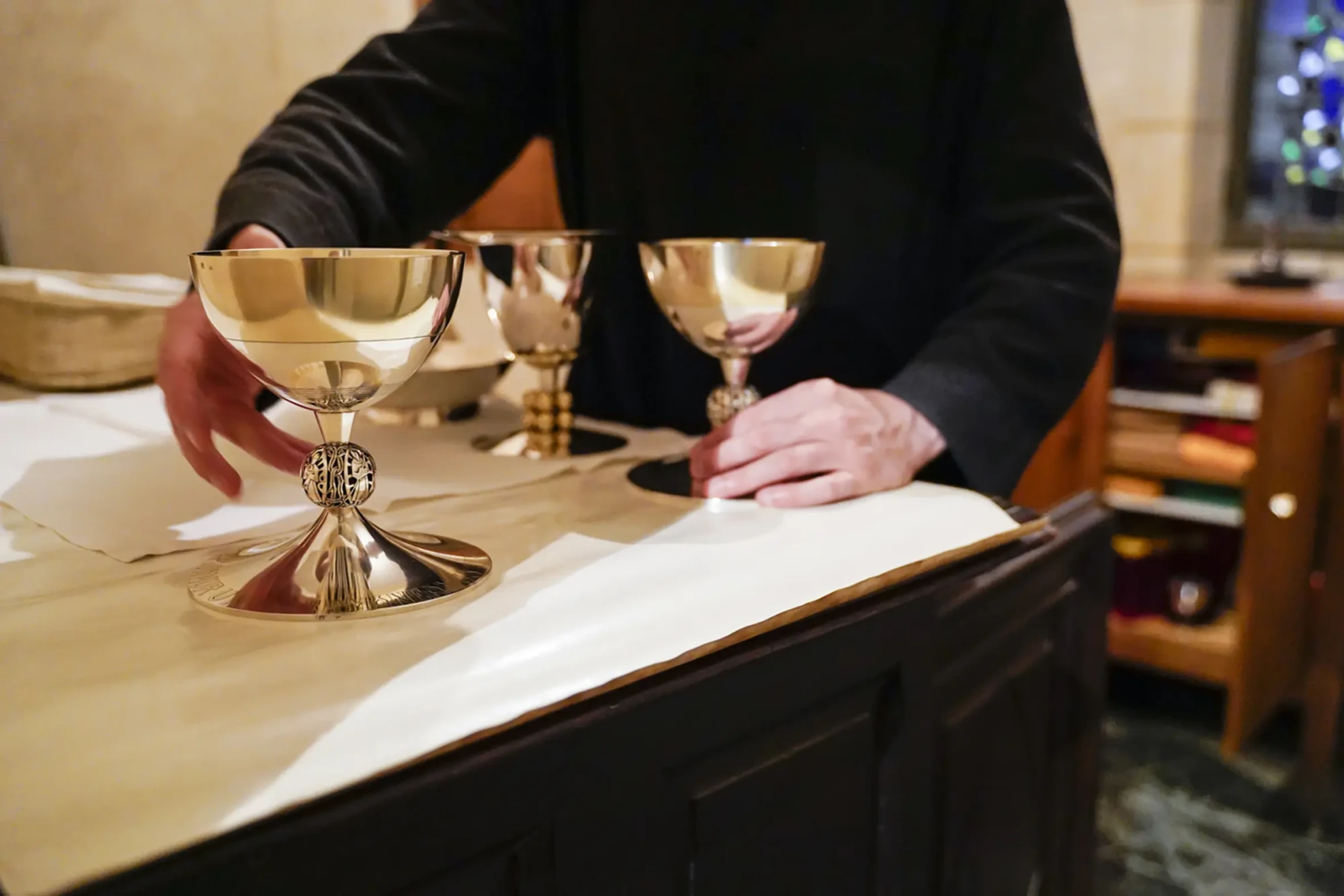
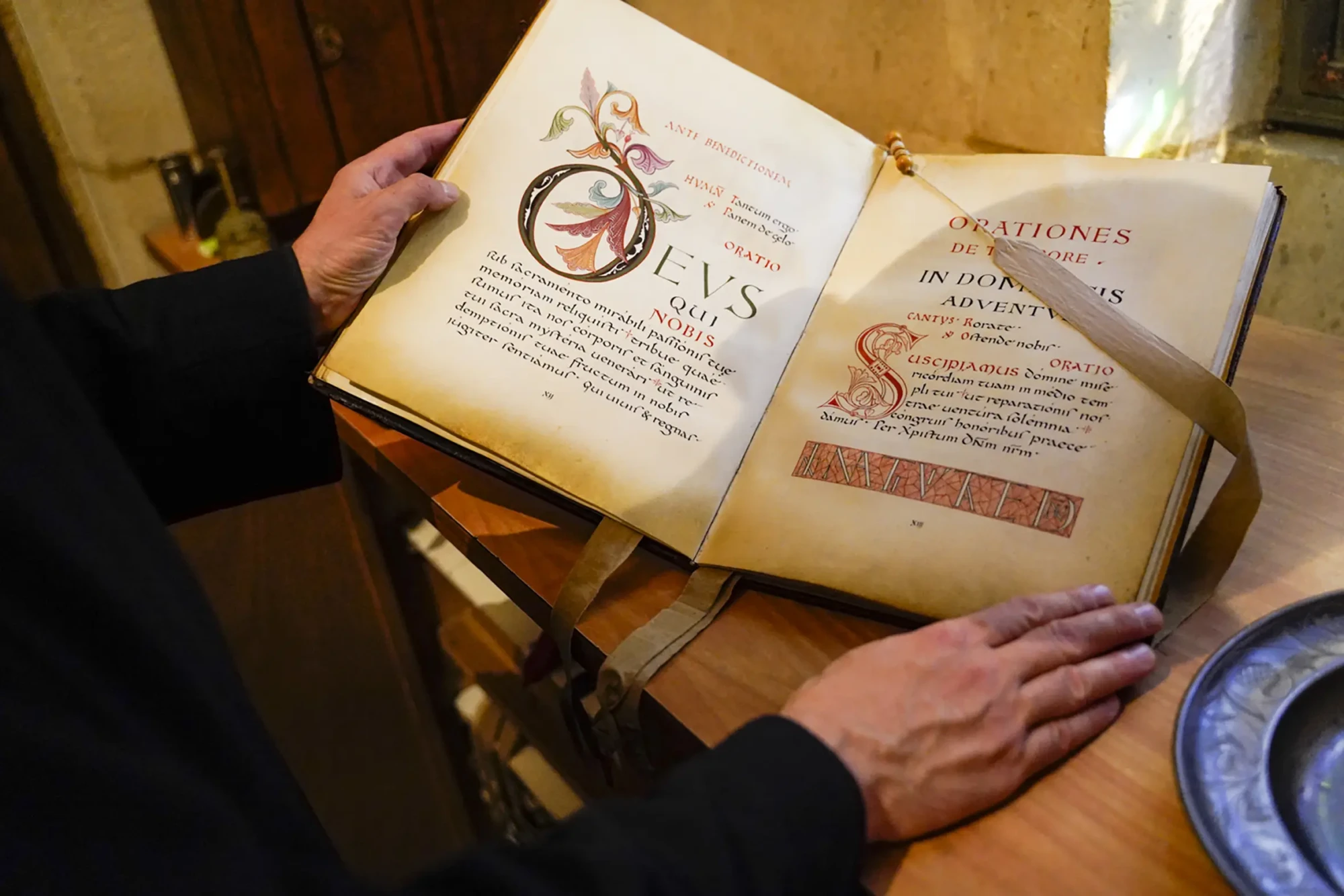
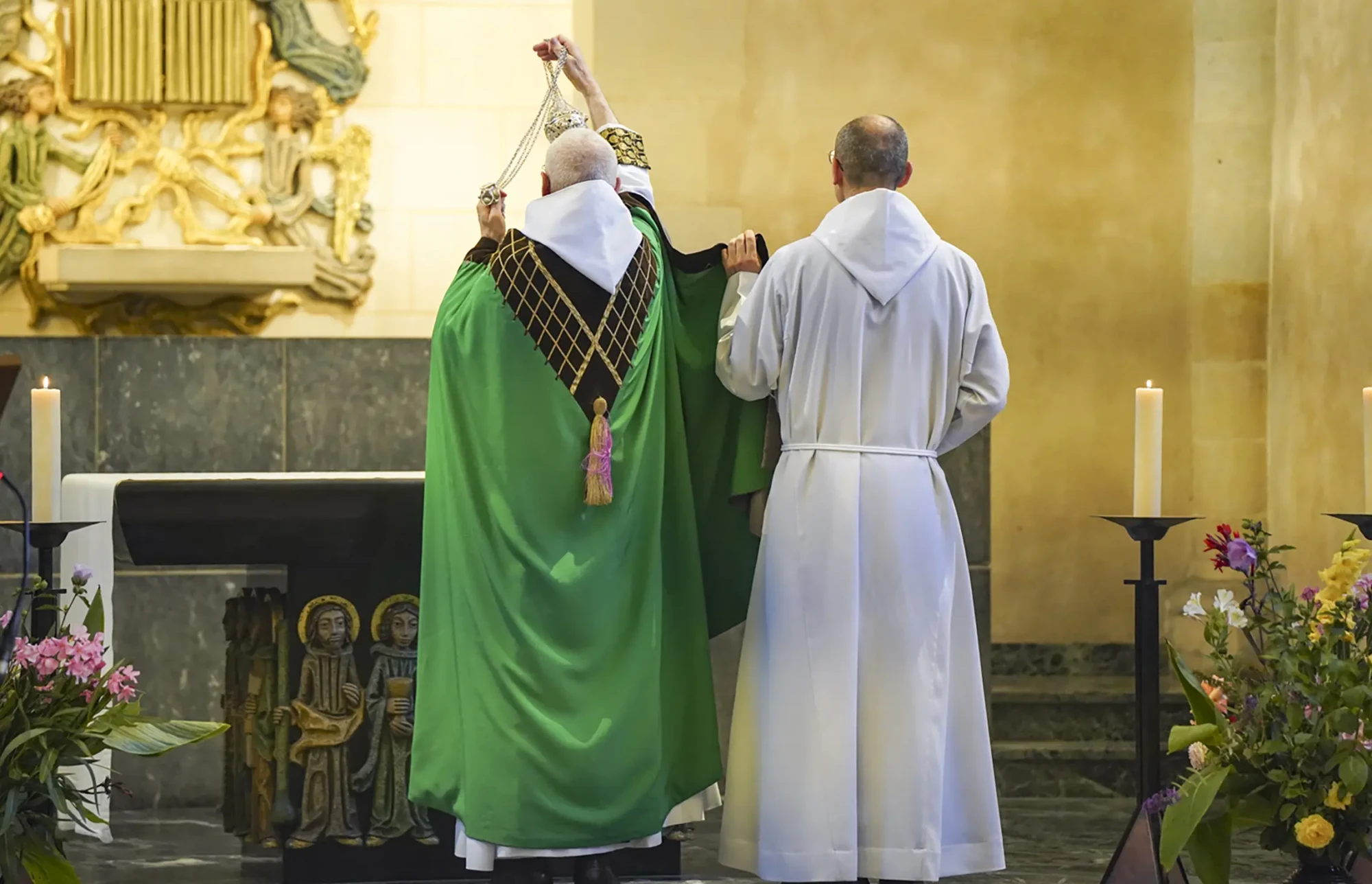
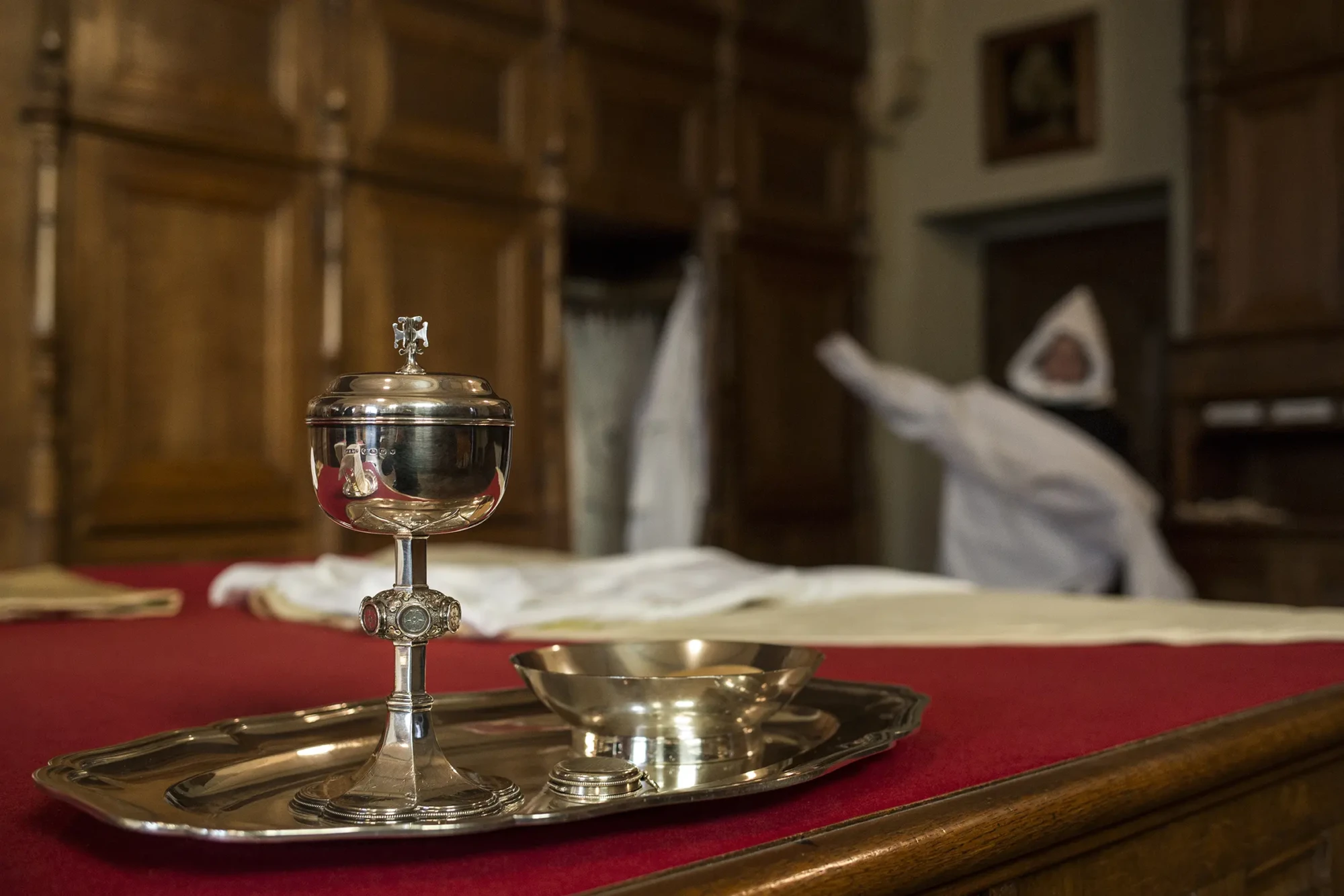
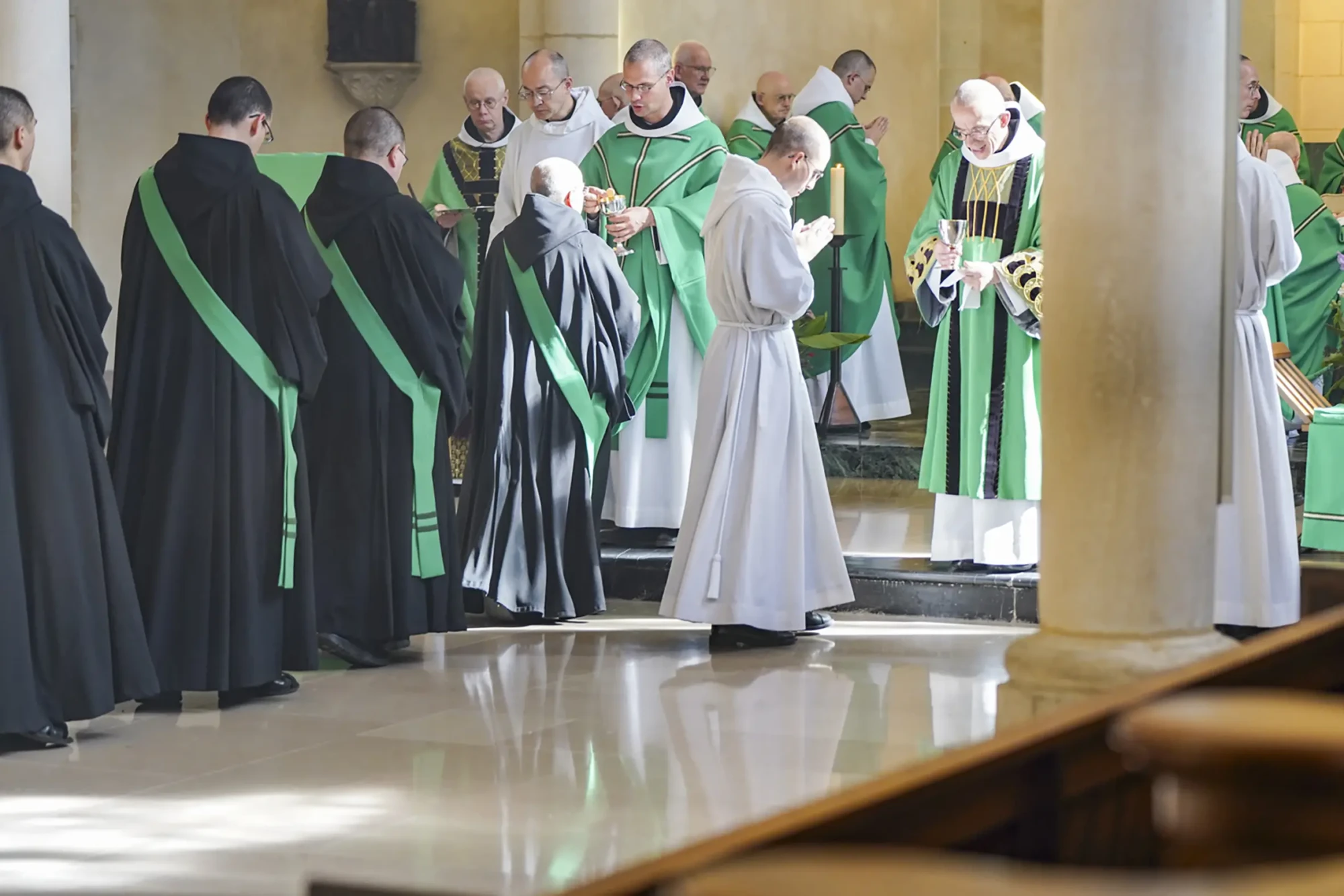
The source and summit of our liturgy is the daily celebration of the Eucharist. By receiving the Lord’s Body and Blood, we become one body with Him. It is here that the unity of our community, its place within the Church, and its spiritual fruitfulness are ultimately grounded. Mass is celebrated every day in Latin and with Gregorian chant, with the greatest possible care.
Other celebrations
In addition to the Eucharist, Saint Benedict prescribed that we should gather in the choir to celebrate together seven times a day, so as to sanctify every moment of daily life:
The Night Vigil
This consists of psalms, as well as readings—often numerous—drawn from the Bible and the Church Fathers; it signifies our expectation of Christ’s glorious return. ‘The day of the Lord will come like a thief in the night,’ says Saint Paul (1 Thess 5:2).
Lauds
This is the morning office of praise par excellence, harmonising with the natural splendour of dawn. In it we celebrate daily the victory of light over darkness, an image of Christ’s victory over death through his Resurrection.
The Little Hours
These mark the rhythm of the working day and are fairly brief services. They have retained the names of the Roman hours. Terce, the third hour, is incorporated into Mass, whilst the services of Sext (the sixth hour) and None (the ninth hour) frame the midday meal.
Vespers
The service of Vespers sanctifies the evening. Its structure is similar to that of Lauds. During Vespers, we sing the Magnificat, the canticle sung by the Virgin Mary at the Visitation.
Compline
The Office of Compline brings the day to a close. At its conclusion, we sing one of the four antiphons to the Virgin Mary, including the Salve Regina, which are renowned for the beauty of their Gregorian melodies. Then begins the great silence of the night, which will last until Lauds the following morning.