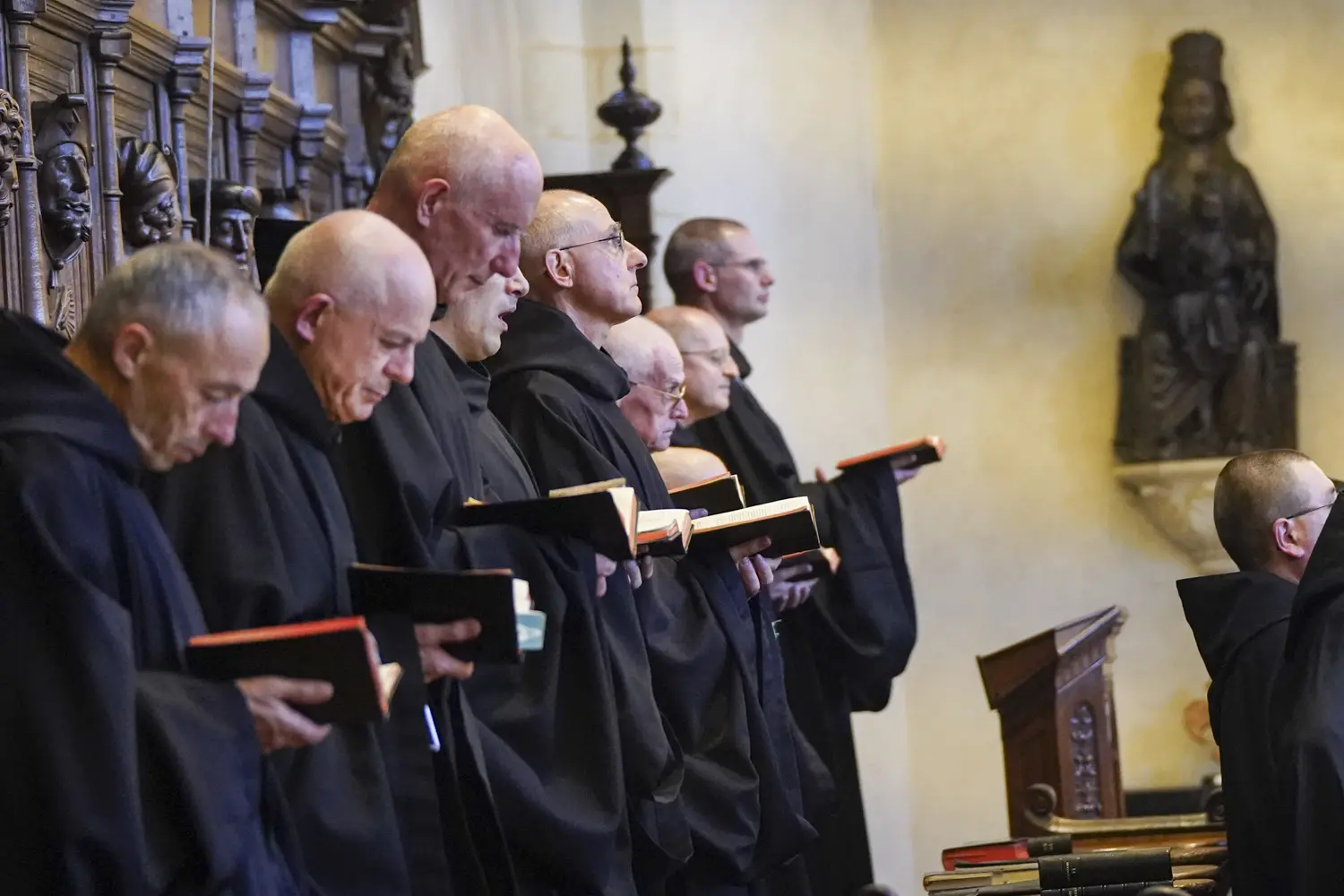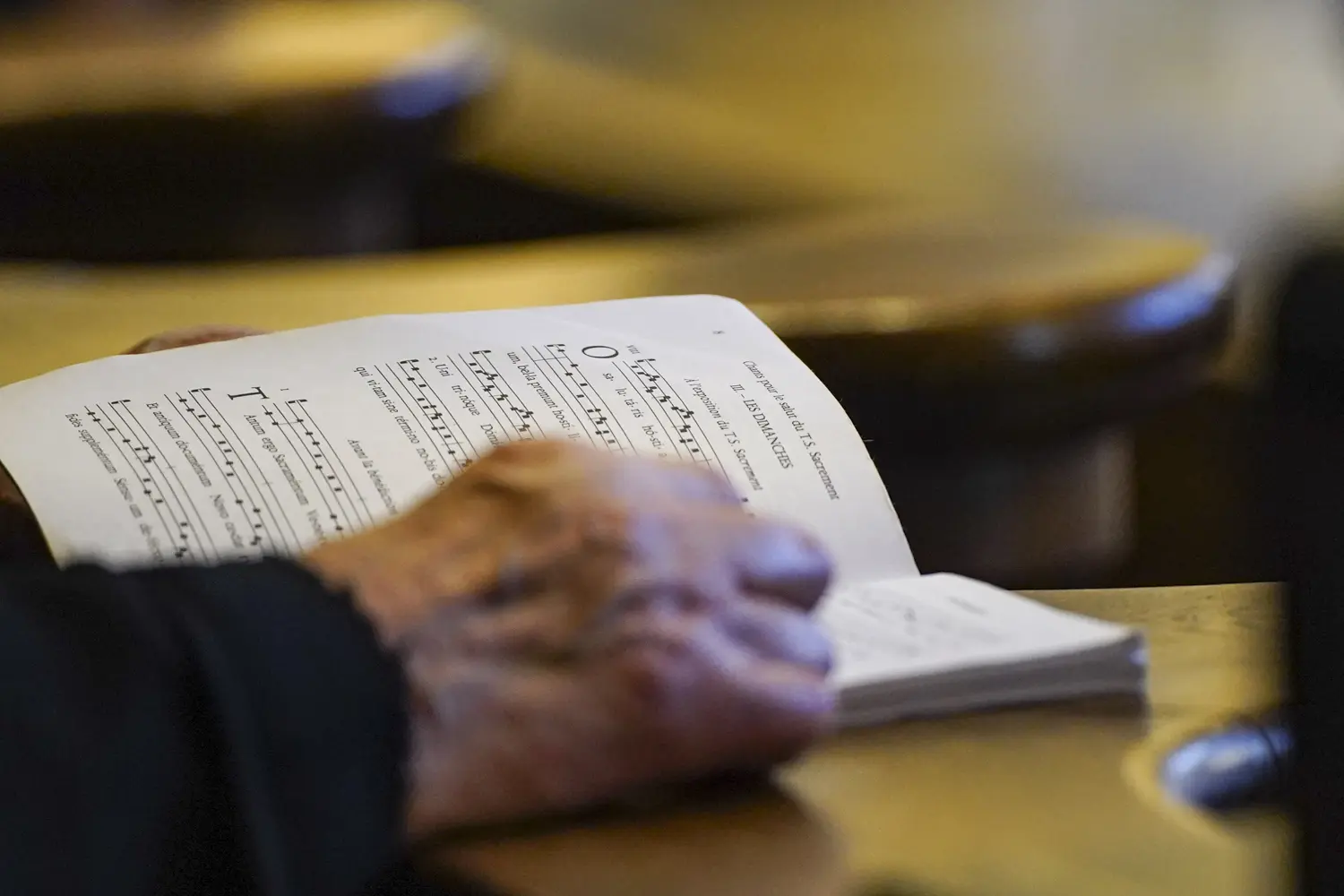

Prayer is nothing other than an intimate dialogue with the Lord. Just as a friend feels the need to meet with another friend, so too do we have moments of intimacy with the One to whom we have given our lives. We set aside at least half an hour each day for personal prayer, which we call ‘oration’. As for liturgical prayer, ‘the work of God’, which brings the whole community together seven times a day in the oratory, it takes up almost 35 hours of our week!

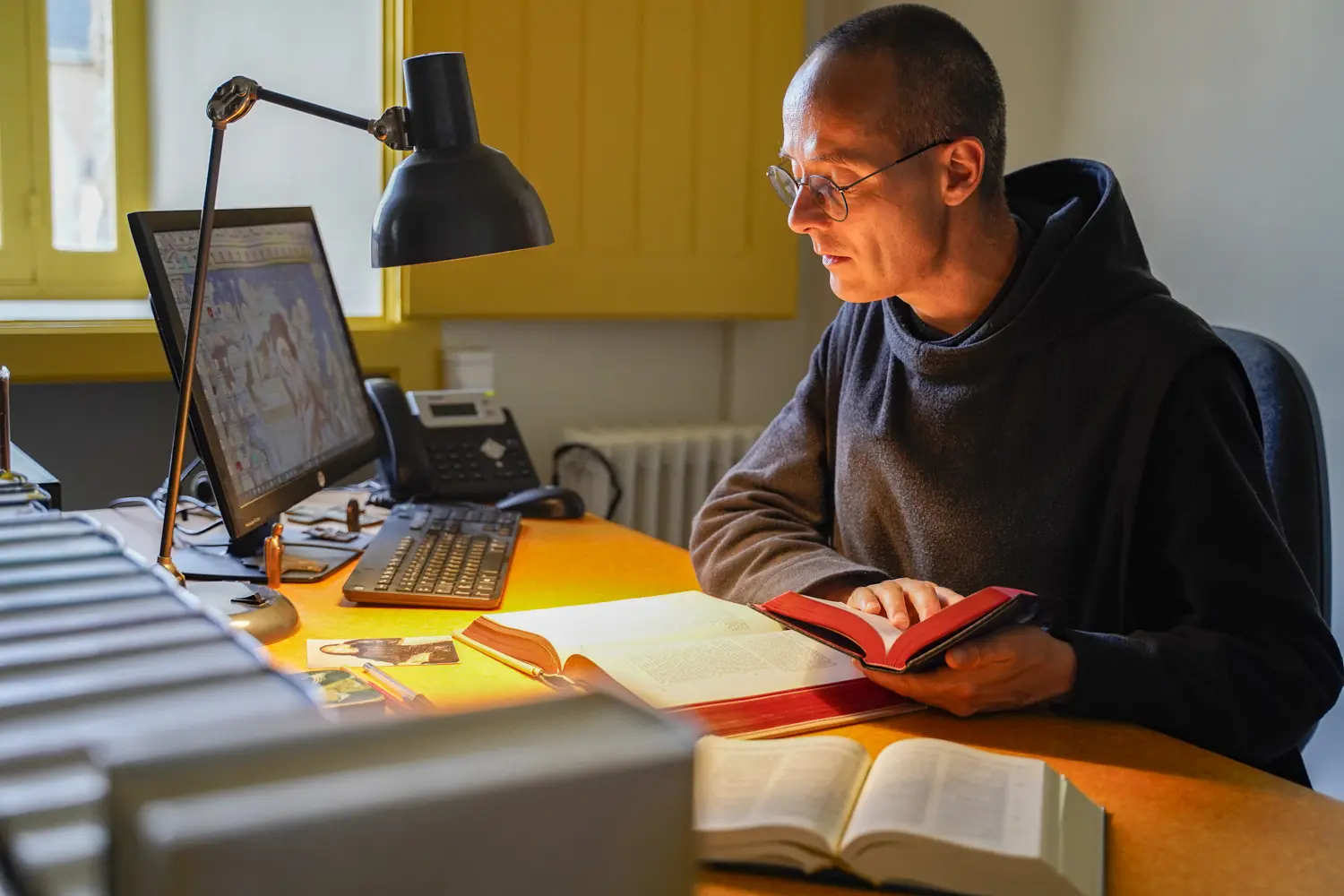
Lectio Divina is also a special time spent with God. It is a time we devote to listening to the Word of God, which comes to us through the Bible, but also through the Tradition of the Church, the writings of the Church Fathers and Doctors, and the lives of the saints. That God speaks to us, that he wishes to enter into dialogue with us, is a source of wonder for us. We seek to lose nothing of these words of life by opening the ears of our hearts. The Word of God is powerful, and when we meditate on it day after day, it transforms us from within. In Chapter 48 of his Rule, Saint Benedict asks that the brothers devote themselves daily, at set times, to lectio divina. In our monastery, the time between Lauds and Mass is set aside for this.

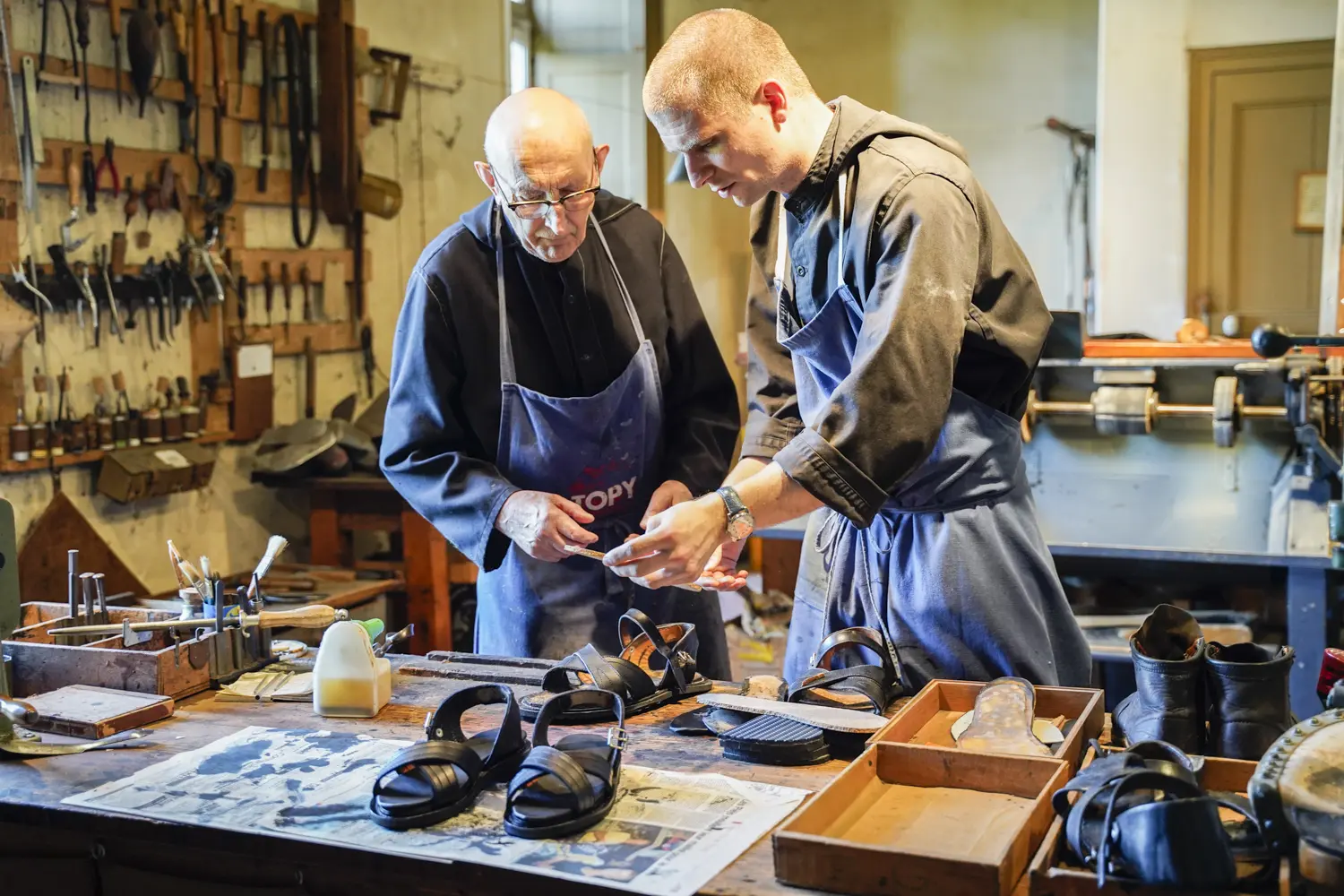
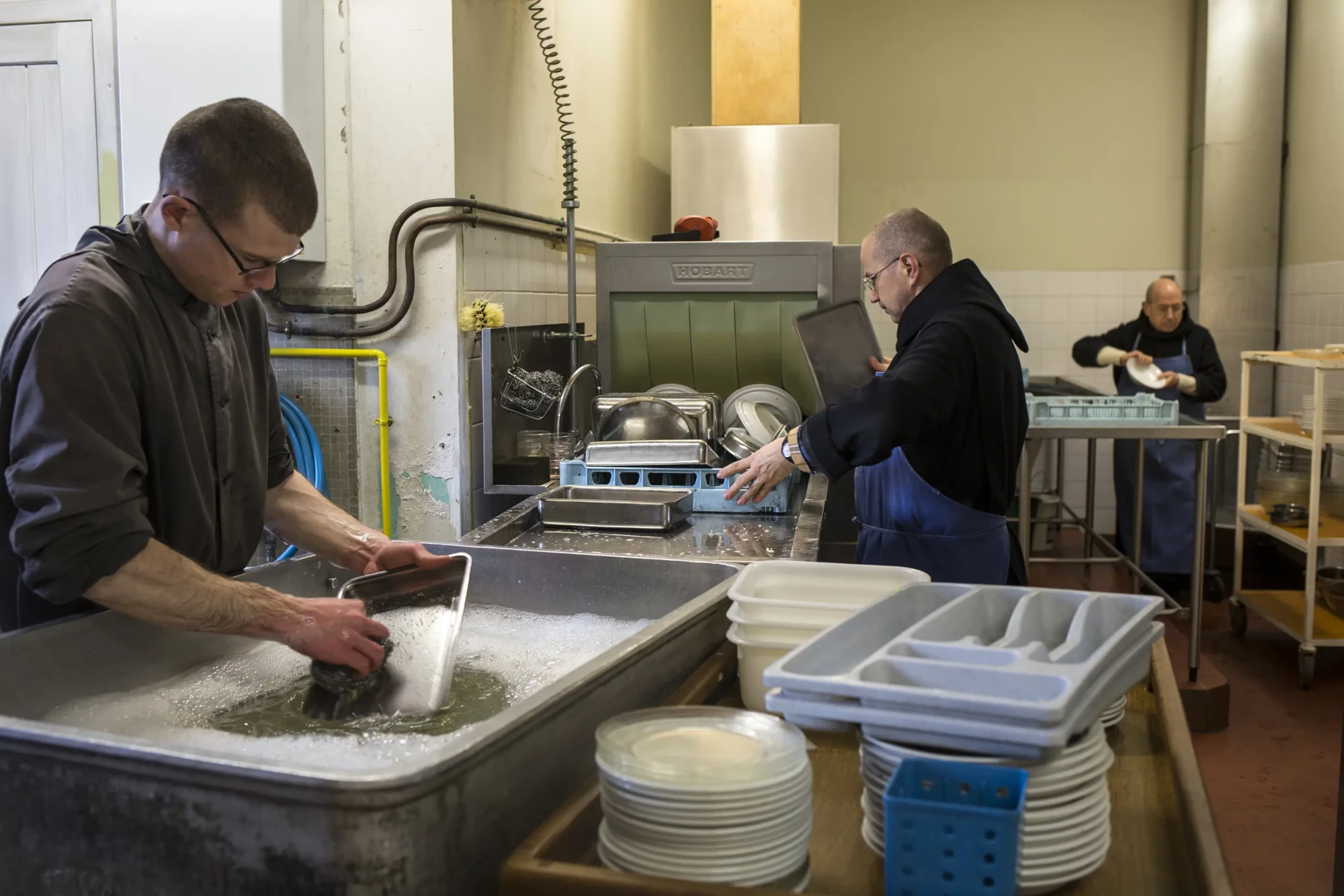
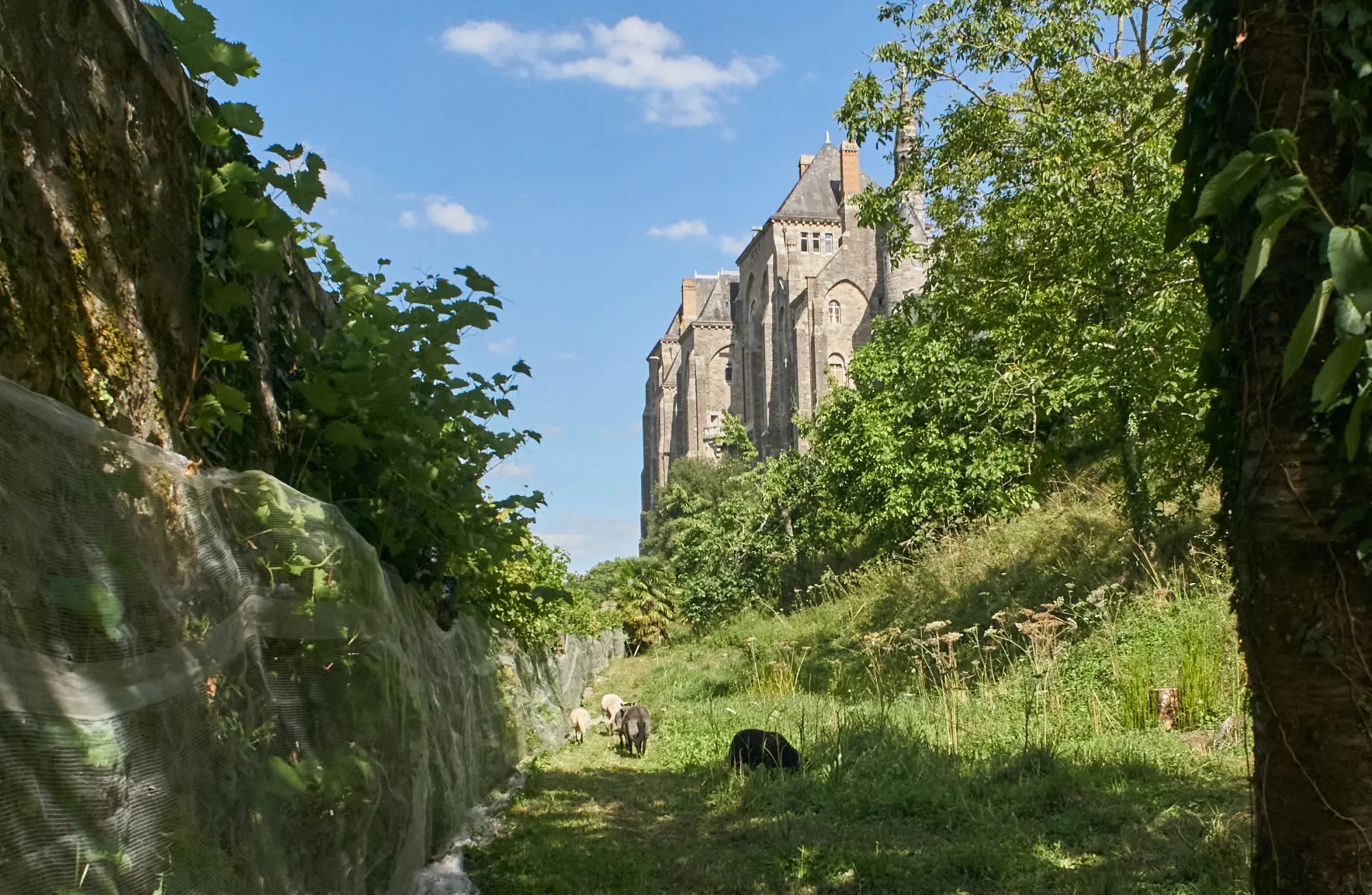
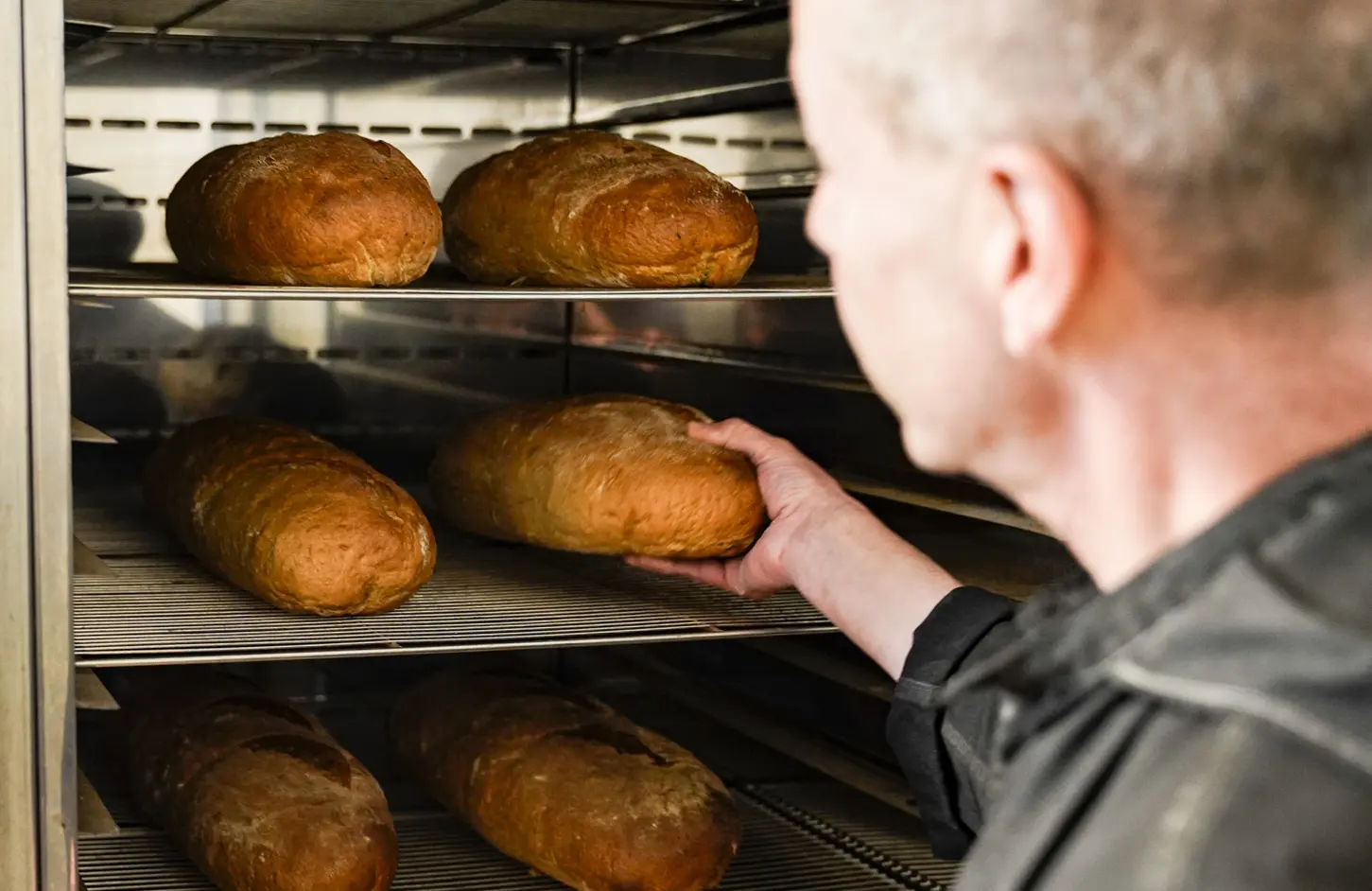
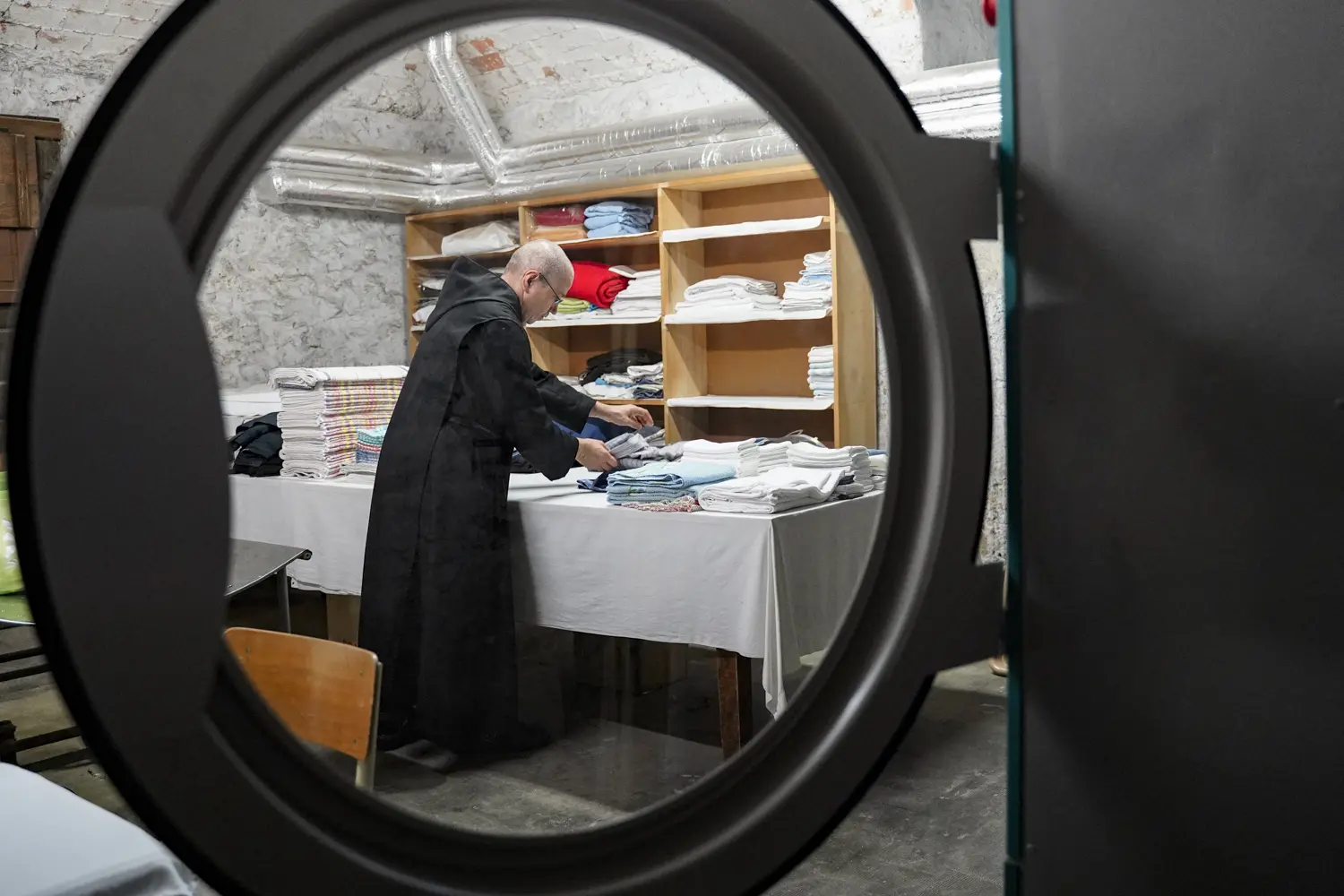
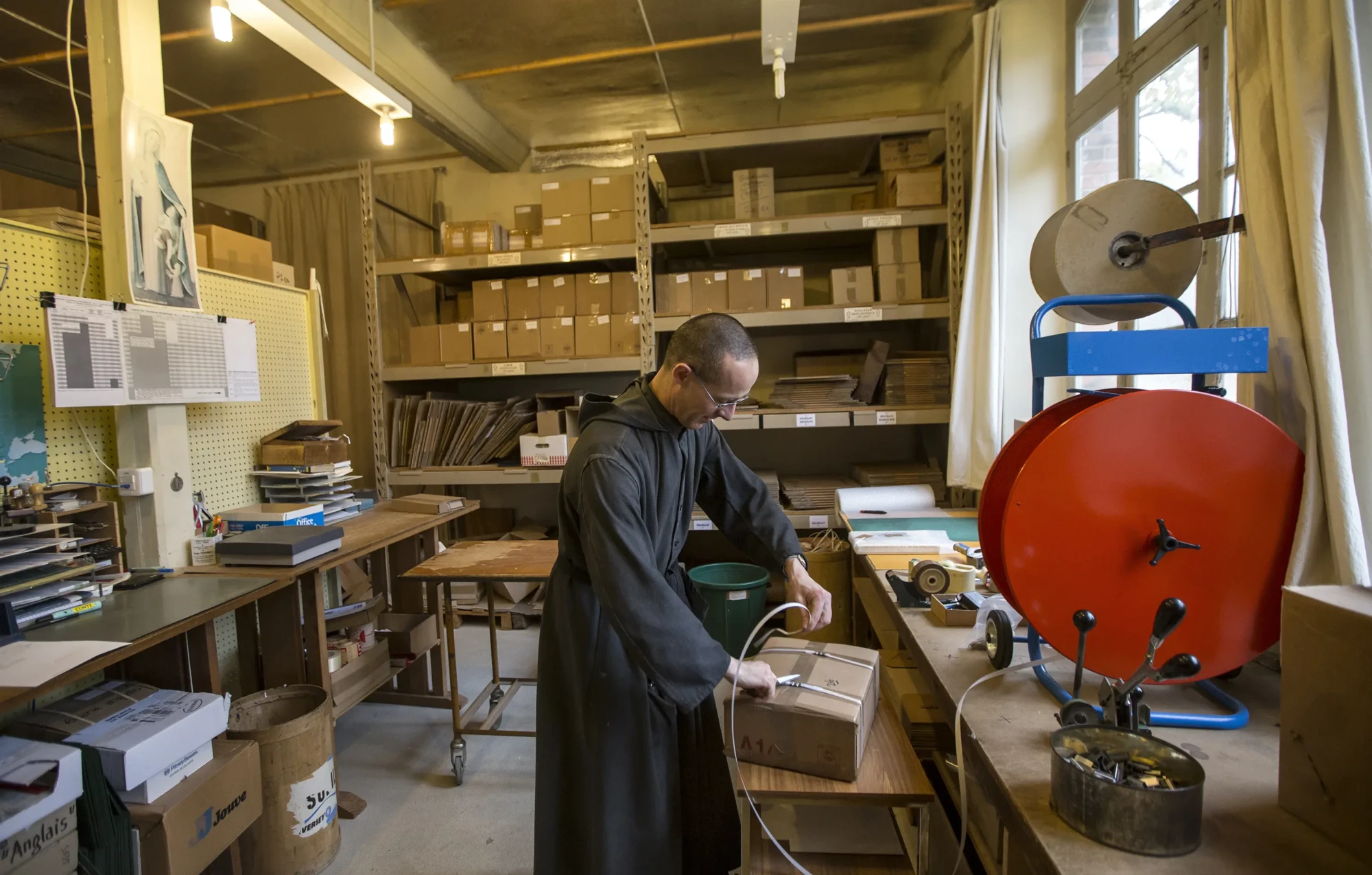
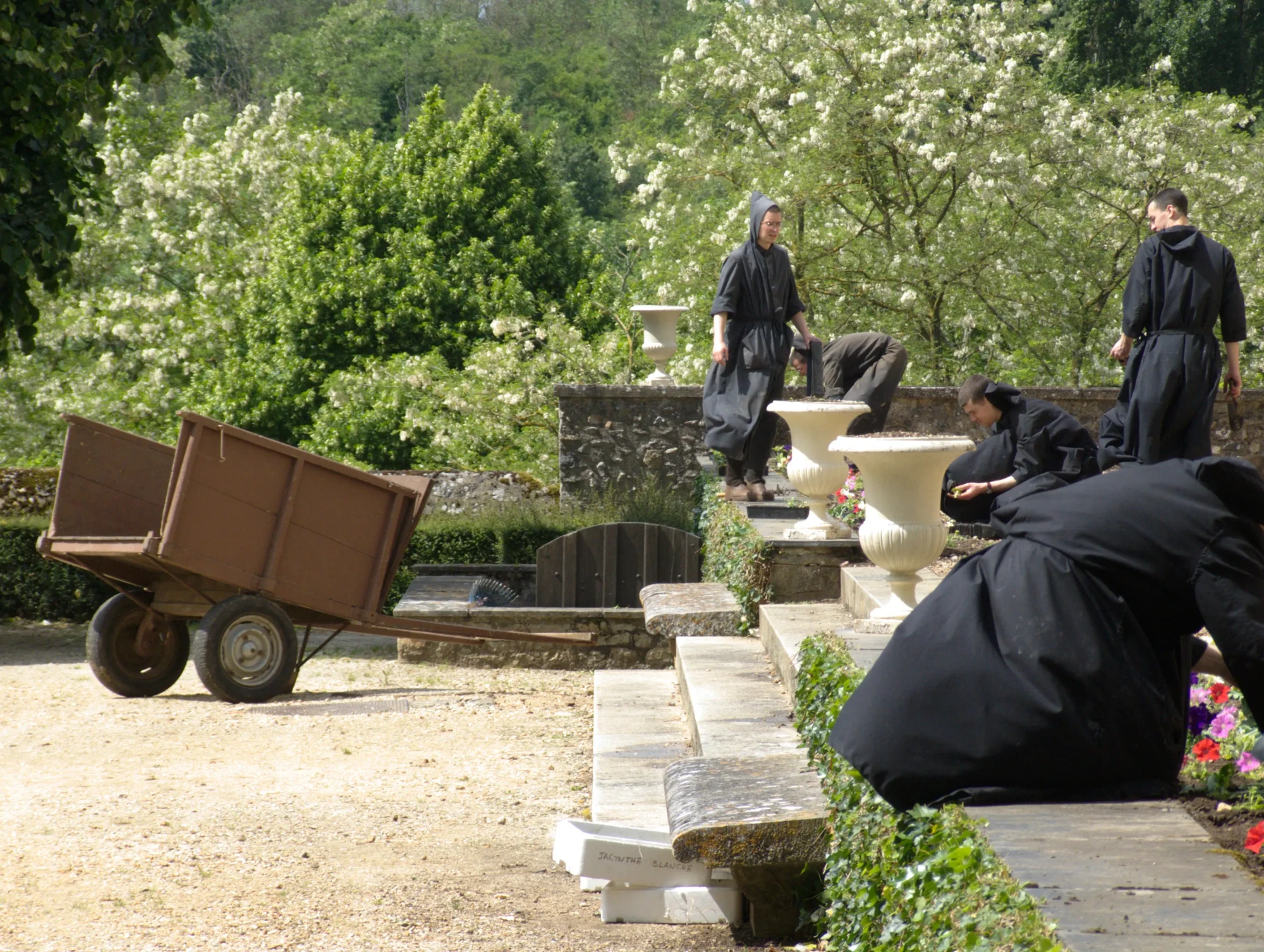
Encounter with the Lord also takes place through work. In his Rule, Saint Benedict explains that ‘idleness is the enemy of the soul’ (ch. 48) and he insists that every monk be diligent in the work assigned to him. Work does not distract one from the constant presence of God. On the contrary, it fosters silence, humility, obedience and charity. Working relationships strengthen the unity of the community. The various activities, both intellectual and physical, help ensure that the monastery can support itself through its labour